

Guide to choosing the right container
Are you unsure which container format to choose for your project?
This simple and practical guide helps you select the right container for your project: renovation, demolition, dry materials, soil, concrete, bricks, asphalt and more .
Megabac Containers serves Montreal, the South Shore and the North Shore with new equipment and fast service.
How to choose the right container size
Here's a quick overview of the three formats offered:
10 cubic yard container
20 cubic yard container half full
Dimensions: 14X8X3
Ideal for:
-
Small residential projects
-
Garage cleaning
-
Minor renovations
-
Lightweight waste or heavier materials
in small quantities -
Typical capacity: 3 to 4 pickup trucks

20 cubic yard container
Dimensions: 14X8X5
Perfect for:
-
Complete renovation of a room
-
Standard construction projects
-
Big house cleaning
-
Typical capacity: 6 to 8 pickup trucks
40 cubic yard container
Dimensions: 20X8X7
Recommended for:
-
Major demolition projects
-
Large volumes of dry materials
-
Commercial or industrial construction sites
-
Typical capacity: 12 to 16 pickup trucks

Containers for dry (mixed) materials
Wood / Gypsum / metal / wool / plastic / clothing / estate items / garage cleaning etc.
Perfect for:
Interior demolition
Residential or commercial construction
Big clean
Succession
Wood, gypsum, metal, plastic, furniture, dry waste
Available sizes: 10, 20 and 40 cubic yards
When to choose 10 cubic yards?
For small jobs, light projects, or when access is restricted.*
When to choose 20 cubic yards?
For most medium-sized renovations such as kitchen and bathroom remodels, major cleaning, or when an entryway is restricted.*
When to choose 40 cubic yards?
For a very large volume of dry materials.*
*Please note that we do not guarantee the container format as we are not on site to verify the volume of materials.
This page is a guide to help you choose more easily, but in no way can we guarantee the format chosen.

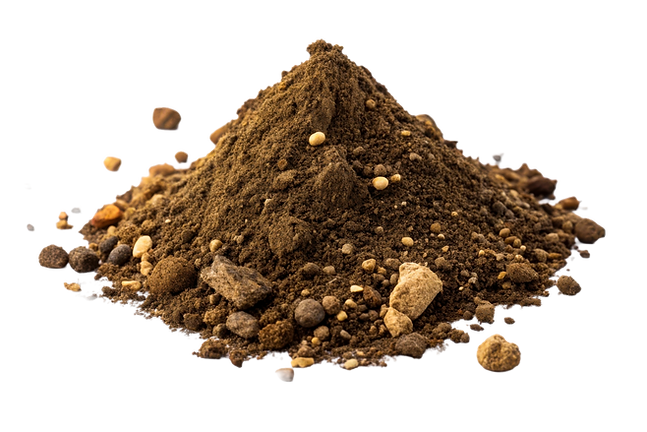
Containers for soil, rocks and turf (only)
Used for:
Excavation
Land leveling
Turf removal
Landscaping
Available sizes: 10 and 20 cubic yards only
Important: only soil, grass and rocks are accepted.
No other material should be thrown into this type of container.
A fee will be applied if other materials are found in the container.
Containers for concrete (only)
Perfect for:
Sidewalks
Slabs
Foundations
Concrete broken during demolition
Available sizes: 10 and 20 cubic yards
Acceptable material: concrete only.
No mixing is allowed (soil, metal, wood, waste, etc.).
A fee will be applied if other materials are found in the container.

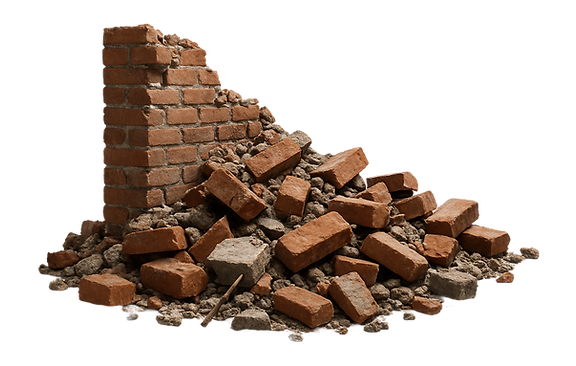
Containers for bricks and mortar (only)
Used for:
Demolition of brick walls
Chimney
Masonry facing
Available sizes: 10 and 20 cubic yards
Acceptable materials: bricks and mortar only.
A fee will be applied if other materials are found in the container.

Materials strictly refused in our containers
For environmental and safety reasons, these materials are prohibited:
Tires
Chemicals
( paint, solvents, oils, propane, aerosols, acids, etc. )
Everything else is accepted when sorted into the correct container type.


Winter container rental: understanding scraping fees
Lors d’une location de conteneur en période hivernale, certaines réalités climatiques peuvent avoir un impact sur la disposition des matériaux. Afin d’agir en toute transparence et d’éviter toute surprise, il est important de bien comprendre le fonctionnement des frais de grattage.
Pourquoi les matériaux peuvent-ils geler dans un conteneur ?
En hiver, les variations de température, la neige et l’humidité peuvent faire en sorte que les matériaux contenus dans un conteneur gèlent et adhèrent aux parois. Cette situation peut survenir autant avec des débris de rénovation, de démolition que des matériaux secs.
Que se passe-t-il lors de la disposition des matériaux ?
Lorsque notre chauffeur se présente au centre de disposition des matériaux, il arrive que le conteneur ne puisse pas être vidé complètement, puisque les matériaux sont gelés à l’intérieur.
Dans ce cas précis, le centre de disposition doit faire appel à une pelle mécanique afin de gratter et décoller les matériaux restants.
Qu’est-ce que les frais de grattage ?
Les frais de grattage correspondent aux coûts facturés par le centre de disposition pour l’intervention mécanique nécessaire afin de vider le conteneur.
Ces frais sont imposés par le centre de disposition et sont indépendants de notre volonté.
Pourquoi ces frais sont-ils facturés au client ?
Lorsque cette situation se produit, nous n’avons malheureusement aucune alternative et devons refacturer ces frais au client concerné, au coût réel, sans majoration.
Notre objectif est de demeurer justes, honnêtes et transparents dans chaque location de conteneur.
Une preuve claire et vérifiable
Une fois le grattage effectué, le centre de disposition nous remet un billet de pesée final.
Sur ce billet figure clairement :
-
Le poids final du conteneur
-
La mention du frais de grattage, lorsque applicable
Ce document constitue une preuve officielle et garantit une facturation claire et vérifiable.
Notre engagement envers vous
Chez Megabac Environnement, nous croyons qu’un client bien informé est un client en confiance. C’est pourquoi nous prenons le temps d’expliquer ces réalités hivernales afin que vous puissiez planifier votre projet en toute tranquillité, même durant la saison froide.
Astuce : lorsque possible, éviter l’accumulation prolongée de matériaux humides ou enneigés peut réduire les risques de gel.

Questions fréquemment posées
Quick summary to help you choose wisely
Dry materials: 10, 20 and 40 yards
Soil / Rocks / Turf: 10 and 20 yards
Concrete only: 10 and 20 yards
Bricks & Mortar: 10 and 20 yards
Asphalt only: 10 and 20 yards
Rejected materials: tires and chemicals
Need help choosing?
Explain your project to us and we will recommend the ideal container size.
→ Contact us or book now on Megabac Containers.